


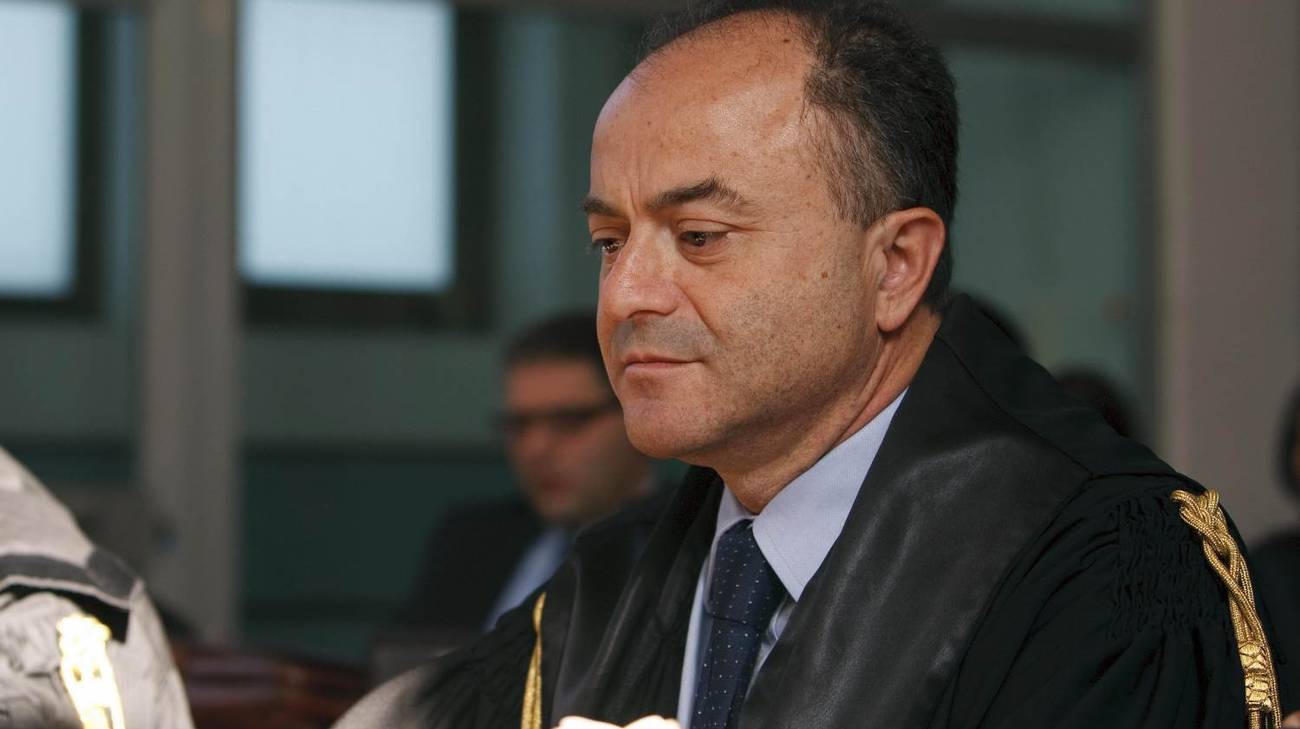
Translated from Nello Trocchia’s interview for DOMANI
“In London, they control almost all drug distribution points and are key players in the global cocaine trade,” says Naples Prosecutor General Nicola Gratteri in an interview published in the book Invincibili (Rizzoli). It is an investigation into the power and hidden businesses of the Albanian mafia.
I have spoken with several entrepreneurs familiar with Albania. Luxury cars, massive buildings, resorts — some call it ‘the Dubai at Europe’s doorstep’. How would you define that country and its level of resistance to corruption and money laundering?
Today, Albanian criminal groups possess extraordinary capital and can rely on connections and protection within state institutions. They use corruption constantly, exploiting the most advanced digital technologies. Unlike other mafias, which rarely invest in their countries of origin, Albanian criminal groups recycle their proceeds into various industries and sectors inside Albania and are increasingly oriented toward conquering new markets.
Albania has become a kind of Eldorado of cash circulation. Money can be moved through old but extremely efficient systems such as hawala, and it can also be used across Europe thanks to regulatory asymmetries in cash restrictions from one country to another. How do you evaluate Albania’s legal framework against organized crime?
It is a system that needs improvement. It is not at the forefront. It is necessary to combat the links between crime and the political and economic sectors, corruption, and to strengthen the system of asset seizures and confiscations derived from illegal activities. It is essential to guarantee the full isolation of dangerous inmates to prevent communications with the outside world and to reform the judiciary to preserve its integrity and effectiveness, shielding it from political influence and corruption.
However, something is changing thanks to joint investigative teams. Recently, several major Albanian drug traffickers have ended up in prison, and some have chosen to cooperate with justice. With the first Albanian collaborators of justice, the level of investigations is rising, producing important results in combating money laundering.
In the recent past, some observers — including former President Sali Berisha — have described Albania as a ‘narco-state’. Is that an exaggeration?
No, on the contrary. Albanian groups initially started with marijuana trafficking, later moved to heroin thanks to links with the Turkish mafia, and finally to cocaine — where they have become international brokers. Revenues from these activities have given Albanian groups even greater economic and political power.
They share many similarities with the ’Ndrangheta — from family-based structures and strict codes of conduct built on besa, honor and word-giving, to their ability to infiltrate economic and financial industries and influence political and administrative sectors.
In my book, several drug traffickers appear as protagonists: some plan murders from prison, direct trafficking, and order revenge attacks. What role does the Albanian mafia play in Europe?
It is extremely powerful. It is present in the ports of Rotterdam, Antwerp and Hamburg; it manages most of the cocaine sold in Europe and controls almost all distribution points in London. It is one of the criminal organizations whose international weight is growing at an extraordinary pace, consolidating control over trafficking routes — especially in drugs, prostitution, and weapons.
Thanks to a very closed structure and synergistic links with other transnational groups, Albanian clans have penetrated various legal and illegal markets, increasing their influence not only in Albania but also across Europe and other regions of the world.
What percentage of the narcotics entering Italy do authorities manage to seize?
It is difficult to determine precisely, but the percentage of seized drugs probably does not exceed 10–15% of the total.
What relations does the Albanian mafia have with Italian mafias?
It has become a commercial partner of the ’Ndrangheta, through which it has established itself in Latin America, especially in Ecuador, Colombia and Brazil. It maintains ties with major transnational criminal organizations operating in Europe, North and South America, and is increasingly directing its attention toward Asian and Australian markets.
The numbers are clear: in Europe, less than 2% of illegally acquired assets are confiscated. The rest easily enters the legal economy. Much more must be done by unifying anti-crime strategies and pursuing intermediaries who assist in laundering and reinvesting mafia capital.
When did you realize the Albanian mafia was becoming dominant?
At least ten years ago. Albanian groups are no longer the ones who used to raid villas in northern regions. For a long time, they have been part of the major international drug trafficking circuit, turning into an economic and financial power — as demonstrated by investments in Albania that are reshaping cities like Tirana, Durrës, Elbasan and Vlora.
In Rome, the “Roman column” of Albanians has killed, trafficked drugs, tortured, imported tons of cocaine — yet there is no mafia conviction. How far behind are we judicially in combating organized crime?
We are very far behind, especially regarding non-native mafias, which continue to be underestimated. In the case of Albanian groups, they possess all the characteristics of Italian mafias: from territorial control — especially in central and northern Italy — to their ability to provide “services”, security, and protection.
In addition to the support they receive, they benefit from silent cooperation and strong ties with entrepreneurs, politicians and professionals, building a network of influence that stretches from Tirana to London and Latin America.